LA PALABRA DEL DÍA

Por Ricardo Soca

ETIMOLOGÍA - ORIGEN DE LAS PALABRAS
Martes, 03 de marzo de 2026

mismo

×

Mensaje de error

  • Notice: Undefined variable: view en include() (línea 36 de /var/www/vhosts/elcastellano.org/httpdocs/sites/all/themes/elcastellano/templates/page--palabra.tpl.php).
  • Notice: Trying to get property 'field' of non-object en include() (línea 36 de /var/www/vhosts/elcastellano.org/httpdocs/sites/all/themes/elcastellano/templates/page--palabra.tpl.php).
  • Notice: Trying to access array offset on value of type null en include() (línea 36 de /var/www/vhosts/elcastellano.org/httpdocs/sites/all/themes/elcastellano/templates/page--palabra.tpl.php).
  • Notice: Trying to get property 'original_value' of non-object en include() (línea 36 de /var/www/vhosts/elcastellano.org/httpdocs/sites/all/themes/elcastellano/templates/page--palabra.tpl.php).
  • Notice: Undefined variable: view en include() (línea 40 de /var/www/vhosts/elcastellano.org/httpdocs/sites/all/themes/elcastellano/templates/page--palabra.tpl.php).
  • Notice: Trying to get property 'field' of non-object en include() (línea 40 de /var/www/vhosts/elcastellano.org/httpdocs/sites/all/themes/elcastellano/templates/page--palabra.tpl.php).
  • Notice: Trying to access array offset on value of type null en include() (línea 40 de /var/www/vhosts/elcastellano.org/httpdocs/sites/all/themes/elcastellano/templates/page--palabra.tpl.php).
  • Notice: Trying to get property 'original_value' of non-object en include() (línea 40 de /var/www/vhosts/elcastellano.org/httpdocs/sites/all/themes/elcastellano/templates/page--palabra.tpl.php).
  • Notice: Undefined variable: view en include() (línea 49 de /var/www/vhosts/elcastellano.org/httpdocs/sites/all/themes/elcastellano/templates/page--palabra.tpl.php).
  • Notice: Trying to get property 'field' of non-object en include() (línea 49 de /var/www/vhosts/elcastellano.org/httpdocs/sites/all/themes/elcastellano/templates/page--palabra.tpl.php).
  • Notice: Trying to access array offset on value of type null en include() (línea 49 de /var/www/vhosts/elcastellano.org/httpdocs/sites/all/themes/elcastellano/templates/page--palabra.tpl.php).
  • Notice: Trying to get property 'original_value' of non-object en include() (línea 49 de /var/www/vhosts/elcastellano.org/httpdocs/sites/all/themes/elcastellano/templates/page--palabra.tpl.php).
  • Notice: Undefined variable: view en include() (línea 52 de /var/www/vhosts/elcastellano.org/httpdocs/sites/all/themes/elcastellano/templates/page--palabra.tpl.php).
  • Notice: Trying to get property 'field' of non-object en include() (línea 52 de /var/www/vhosts/elcastellano.org/httpdocs/sites/all/themes/elcastellano/templates/page--palabra.tpl.php).
  • Notice: Trying to access array offset on value of type null en include() (línea 52 de /var/www/vhosts/elcastellano.org/httpdocs/sites/all/themes/elcastellano/templates/page--palabra.tpl.php).
  • Notice: Trying to get property 'original_value' of non-object en include() (línea 52 de /var/www/vhosts/elcastellano.org/httpdocs/sites/all/themes/elcastellano/templates/page--palabra.tpl.php).
  • Notice: Undefined variable: view en include() (línea 53 de /var/www/vhosts/elcastellano.org/httpdocs/sites/all/themes/elcastellano/templates/page--palabra.tpl.php).
  • Notice: Trying to get property 'field' of non-object en include() (línea 53 de /var/www/vhosts/elcastellano.org/httpdocs/sites/all/themes/elcastellano/templates/page--palabra.tpl.php).
  • Notice: Trying to access array offset on value of type null en include() (línea 53 de /var/www/vhosts/elcastellano.org/httpdocs/sites/all/themes/elcastellano/templates/page--palabra.tpl.php).
  • Notice: Trying to get property 'original_value' of non-object en include() (línea 53 de /var/www/vhosts/elcastellano.org/httpdocs/sites/all/themes/elcastellano/templates/page--palabra.tpl.php).
LA PALABRA DEL DÍA

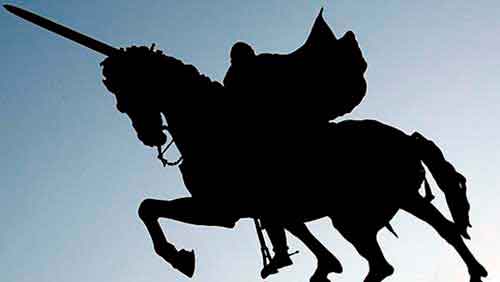
Monumento al Cid en Valencia

mismo

Este adjetivo proviene del latín ipse, con idéntico significado. El lector podrá preguntarse, con legítima curiosidad, dónde está la semejanza que permite tal derivación. Intentaremos explicarlo en las próximas líneas.

En la Edad Media, el ipse del latín clásico recibió la forma enfática ipsimus, luego unida a la partícula met, que se empleaba para reforzar el significado de los pronombres personales. En el lenguaje oral, adoptaba también la forma med. Así, egomet y tumet significaban, respectivamente, 'yo mismo' y 'tú mismo'. De esta manera se formó medipsimus, que en castellano dio lugar a meesmo y meísmo hasta evolucionar a la forma actual, que ya aparece en el Cantar de Mio Cid:

Myo Çid Ruy Diaz a Alcolçer es venido;
Que bien pago a sus vassalos mismos!

En regiones rurales de algunos países hispanohablantes, se mantiene hasta hoy la forma arcaica mesmo, que prevaleció también en el portugués moderno.
EL MEDIEVALISMO DEL DÍA

Inoios fitos

inoios fitos

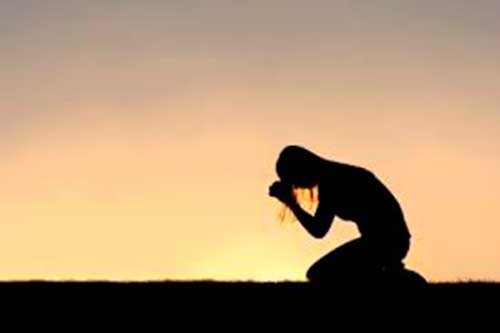
Formado por el romance inoio ‘rodillas’, tomado del latín genucūlum + fito, del latín vulgar fīctus ‘clavado, hincado’. 1. loc. adv. De rodillas.

[...] corona de espinas en la cabeça, e una cannauera a su diestra, e inoios fitos antel, escarnecieen le. Anón. (1260). Evangelio de San Mateo. Corde.

EL LATÍN DEL DÍA

si hortum in bibliotheca habes, deerit nihil.

Si junto a tu biblioteca tienes un jardín, nada te faltará.Cicerón.

Fecha de envío: 
Lunes, 25 de mayo de 2020